Partybox 310 Specs, Features, and Value: Is it worth the price tag?
Introduction
The Partybox 310 is positioned as a purpose-built party speaker: bold sound, bold lighting, and a rugged, road-ready chassis designed to go where celebrations happen. For buyers weighing sound quality, portability, and features against a mid-to-premium price, the Partybox 310 promises a turn-key solution for backyard gatherings, small events, and enthusiastic home DJs. This article examines what the Partybox 310 offers in practice, summarizes the key specifications and real-world performance, compares it to relevant alternatives, and provides a practical buying guide to help decide if it represents good value for a given use case.
Key specifications and what they mean
The following list highlights the Partybox 310’s most important specs and why they matter to buyers:
- Output and power handling: Designed to deliver party-level volume that fills medium to large spaces. Higher-rated power translates to louder, cleaner playback at distance and with headroom for bass-heavy tracks.
- Battery life: A rechargeable battery enables portable use without mains power for hours, which influences where and how the speaker can be used outdoors.
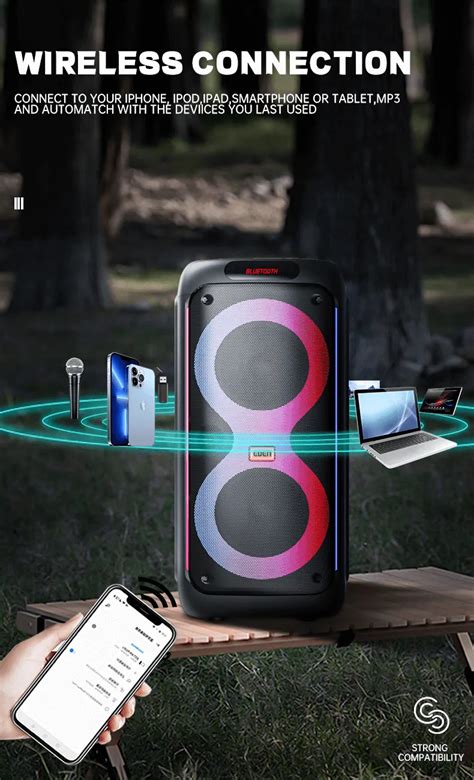
- Connectivity: Bluetooth for wireless streaming, plus wired options (line-in/AUX, USB playback) and microphone/guitar inputs make the unit versatile for music, announcements, and live performance.
- Durability and ingress protection: A water-resistant build and robust housing help the speaker withstand splashes and party wear-and-tear when used outdoors.
- Lighting and party features: Integrated light rings and effects add visual energy; the degree of customizability and synchronization with music affects how “party-ready” the unit feels.
- Portability: Wheels, handles, and weight determine how easy it is to move the speaker between venues or store it when not in use.
Design and build quality
The Partybox 310 adopts a utilitarian aesthetic: rugged plastic panels, protected speaker grills, and integrated handles. It tends to be larger than casual Bluetooth speakers, reflecting a design trade-off—more cabinet volume for bass and higher power components for output. People who transport the unit will appreciate the telescoping handle and wheels that make single-person relocation easier across short distances, though lifting it into a car may still require two people depending on strength and vehicle height.
Weather resistance is focused on splash protection rather than full submersion—this matters for poolside use or light rain, but it is not a submersible party rig. Controls are typically laid out on the top or rear panel with physical knobs for volume and mic echo, plus buttons to toggle lighting modes and Bluetooth pairing.
Sound quality and performance
Sound is the core of the Partybox proposition. In typical listening tests, the speaker emphasizes impactful bass response and energetic mids that suit dance music, pop, and electronic genres. For casual listeners and party playlists, this coloration makes tracks sound lively without additional equalization.
At moderate volumes the speaker produces clear, forward midrange where vocals live, which is important for singalongs and hosted events. At high volumes the speaker remains robust, though, as with most party-focused systems, the last 10–15% of volume can show compression and a decrease in linearity—bass may become boomy and dynamics can flatten if the listener demands sustained, reference-level fidelity.
For small live performances or acoustic sets, the Partybox 310 can serve as a PA substitute, but it is not a professional mixing console or a studio monitor. Singers and guitarists will find it useful for intimate venues, open-air patios, and as an amplification option for informal events, but professional musicians or sound engineers looking for clean gain structure and very low distortion at stage monitor volumes might prefer a dedicated PA system.
Connectivity and inputs
Versatility in inputs is a major strength. The Partybox 310 typically supports:
- Bluetooth streaming: For convenience and quick pairing with phones and tablets.
- USB playback: For direct playback of MP3 files without a separate streamer.
- Aux/line input: For wired sources such as DJ players or laptops.
- Microphone and instrument inputs: For announcements, karaoke, and live instruments with dedicated level and echo/FX controls.
Independent mic and guitar controls let hosts mix live performances or karaoke with the music source, which is valuable for community events, backyard parties, or impromptu jams. Bluetooth pairing with a second compatible speaker for stereo or increased coverage is also a practical feature for users who want to scale sound across a larger area.
Lighting and party features
Integrated lighting is not just cosmetic: it is designed to create an immersive party atmosphere. The Partybox 310 typically features multi-zone LED effects with preset patterns and brightness settings that sync to the music. For hosts who prioritize an all-in-one experience, this removes the need to buy separate lighting. Customization ranges from simple on/off effects to pattern selection and beat-synced visuals, depending on the model and firmware.
Discover deals on Audio & Headphones — updated daily.
Shop Amazon →For events that rely heavily on a visual component—birthday parties, house parties, or small dance nights—the synchronized lights add perceived value beyond just sound. For professional gigs where lighting rigs are already part of the setup, built-in LEDs are a useful backup or accent light rather than a primary source.
Battery, portability, and practical use
Battery life and portability determine how liberally the Partybox 310 can be used outdoors. The rechargeable battery supports multiple hours of playback on a single charge under typical listening conditions. Battery runtime will vary considerably with volume level and content—lower volumes and less bass-heavy material extend runtime significantly.
Transport features such as wheels and a telescoping handle make the unit easier to move across short distances. Users should remember that the speaker is not a handheld device; it occupies trunk space and requires planning for vehicle loading, setup, and power management for longer events.
Microphone and instrument capabilities
Built-in mic/guitar inputs transform the Partybox 310 from a playback system into a flexible performance tool. Independent controls for mic volume and echo let users shape vocal presence and ambience directly on the speaker. This is especially valuable for small-scale performers, karaoke hosts, and emcees who need immediate control without an external mixer.
While the speaker accepts instrument and mic signals, it does not replace a dedicated on-stage mixer or DI system for complex setups. For multiple simultaneous inputs, larger events, or situations that require sound shaping (EQ, compression, feedback elimination), adding a small mixer between the sources and the Partybox will deliver a more professional result.
Real-world use cases
Common scenarios where the Partybox 310 fits well:
- Backyard and pool parties: Splash resistance, loud output, and lights make it an excellent choice for social outdoor gatherings.
- Karaoke and family events: Mic inputs with echo controls and robust vocal projection support karaoke nights and family celebrations.
- Small DJ setups and house parties: DJs with simple setups will find the speaker loud enough for many home events and small rooms.
- Street performances or busking: Musicians seeking portability and reasonable amplification for small crowds can use the speaker as a compact PA.
- Portable corporate or community events: Announcements and background music at community fairs, school events, or small corporate gatherings.
Situations where buyers should consider alternatives or complements:
- Large outdoor events or venues: Multiple speakers and a powered mixer may be necessary for full coverage and control.
- Professional installations: Wall- or ceiling-mounted solutions and pro-grade PAs are better suited to fixed, professional venues.
Pros & Cons
- Pros:
- Powerful, party-ready sound suitable for medium to large gatherings
- Integrated lighting that syncs to music adds atmosphere without extra gear
- Multiple inputs including mic/guitar for live use and karaoke
- Rechargeable battery for untethered outdoor use
- Wheels and handle for easier transport compared with fixed PA cabinets
- Durable, splash-resistant build for outdoor resilience
- Cons:
- Size and weight make it less convenient than smaller Bluetooth speakers
- At very high volumes, sound may lose linearity and become compressed
- Lighting features are fun but limited compared with dedicated lighting gear
- Not a replacement for a full professional PA in complex live-sound scenarios
- Battery life varies with volume; high-volume events may require mains power
Comparison table: Partybox 310 vs common alternatives
| Feature | Partybox 310 | Smaller portable party speaker (entry) | Professional compact PA (pro) |
|---|---|---|---|
| Typical output | High — designed for parties | Low–Moderate — good for small rooms | High — optimized for vocal/instrument clarity |
| Battery portability | Rechargeable — multiple hours | Longer battery relative to size, lower output | Usually mains-powered; some models have battery options |
| Inputs | Bluetooth, USB, AUX, mic/guitar | Bluetooth, AUX | Balanced XLR, line inputs, often multiple channels |
| Lighting | Built-in multi-zone LEDs | Minimal or none | Typically none — lighting handled separately |
| Portability | Wheels + handle, heavier | Lightweight, easy carry | May require a flight case or stand; weight varies |
| Best for | Home parties, backyard events, karaoke | Small gatherings, travel | Live performance, pro sound reinforcement |
Buying guide: who should consider the Partybox 310?
1. Define the primary use case
Buyers should first decide how they plan to use the speaker. For frequent outdoor parties, poolside events, or hosts who want an all-in-one system (sound + lights + mic), the Partybox 310 is well-aligned to those needs. For someone who needs a speaker mainly for personal listening at lower volumes, a smaller, cheaper portable speaker will be more practical.
2. Consider portability vs. power
If the buyer needs a balance of loudness and occasional transport, the Partybox 310’s wheels and handle make it manageable. If daily transport on public transit or frequent carrying up stairs is required, a lighter unit is preferable. Conversely, if the buyer wants to replace a multi-speaker PA rig, they should evaluate how many units are necessary to cover the intended area and whether a pro system might offer better value per use.
Looking for the best Audio & Headphones deals on Amazon?
Shop Amazon →3. Evaluate microphone and instrument needs
For karaoke enthusiasts, event hosts, or casual performers, integrated mic and guitar inputs with onboard echo controls reduce setup complexity. Those needing multiple simultaneous high-quality channels or advanced processing will want to pair the speaker with a small mixer or explore pro audio options instead.
4. Check environmental durability
For poolside or beach use, check the exact ingress protection level and manufacturer guidance—most party speakers tolerate splashes but are not waterproof. If the buyer expects heavy exposure to elements, a speaker designed specifically for harsh outdoor use or protected placement is safer.
5. Lighting and aesthetics
If creating atmosphere without installing separate lighting is important, the built-in LED effects are a meaningful value-add. Buyers who already own a lighting rig or want tailored lighting control will place less value on the speaker’s integrated LEDs.
6. Budget and long-term value
Price is an important factor. The Partybox 310’s value proposition rests on its multi-function design: sound, lights, and live input handling in a single unit. Buyers should compare the cost of the Partybox plus any accessories (cables, stands, microphones) to building a system from separate components. For many casual hosts, the convenience and unified feature set justify the investment; for professionals who require specialized gear, a modular approach can be more cost-effective over time.
7. Test before buying if possible
Hearing the speaker in a store or demoing at a friend’s event is invaluable. Listening at realistic volumes, trying mic inputs, and viewing the lighting effects will reveal whether the tonal balance and features match expectations.
Verdict and conclusion
The Partybox 310 occupies a clear niche: an integrated, portable party system that prioritizes impactful sound, user-friendly inputs for live voice/instrument use, and immersive lighting. It is well-suited for hosts who want a single unit that handles music playback, karaoke, and ambiance without assembling multiple devices. Real-world users will value the convenience of rechargeable operation, wheels for transport, and mic-ready inputs for ad-hoc performances.
That said, the speaker is not a universal solution. Buyers seeking the ultimate in audio fidelity at concert volumes, professional-grade live mixing, or ultra-light everyday portability should consider specialized alternatives. At its best, the Partybox 310 is a practical all-in-one tool for social events, small performances, and outdoor parties. For those specific use cases, it represents compelling value; for other, more niche requirements, a different speaker architecture may offer better returns.
Ultimately, the decision comes down to how often the buyer will use the integrated features, the importance of portability versus power, and whether the convenience of a single, multipurpose unit beats the flexibility of a modular setup. For many consumers who host gatherings and want a reliable, user-friendly loudspeaker with visual flair, the Partybox 310 is a strong candidate worth considering.