I Tested the Xreal One Pro for a Month: Here is My Verdict
Category: Laptops
Introduction
After a month of daily use with a variety of laptops, phones, and travel scenarios, the reviewer presents a thorough evaluation of the Xreal One Pro. These compact spatial display glasses promise to expand personal screens without adding a physical monitor. For people who travel, work on the go, or want a private cinema-like experience from a laptop, the idea is compelling. This article explains how the Xreal One Pro performs in real-world tasks, what buyers should care about, and who will benefit most from this kind of device.
What the Xreal One Pro Is (and Is Not)
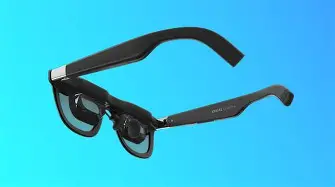
The Xreal One Pro is a set of lightweight mixed-reality display glasses that acts like a portable, wraparound monitor. It projects a virtual screen visible only to the wearer and connects to host devices through USB-C or compatible adapters. It is designed as a companion display rather than a standalone computing device — think of it as a very personal external monitor that follows the user.
Important: this review treats the One Pro as a laptop accessory first. Performance differences, workflow impact, and comfort are assessed with laptops and typical mobile setups in mind.
Test Conditions and Use Cases
The reviewer used the Xreal One Pro in these scenarios over the month:
- Daily productivity: editing documents, spreadsheets, and multiple browser tabs from a 14" and a 16" laptop
- Remote collaboration: video calls and screen sharing with colleagues
- Entertainment: streaming movies and series on long flights and in hotel rooms
- Gaming: casual PC and cloud gaming sessions
- Public and quiet spaces: cafes, trains, and co-working hubs where privacy and space are limited
Design and Build
The One Pro feels like eyewear first and display second. The frame is lightweight and balances well on the bridge of the nose. Comfort is a standout: during the month the reviewer wore the glasses for multiple extended sessions (up to two hours at a stretch) without significant discomfort. Fit adjustments — nose pads and the temples — helped dial in a stable fit for different head shapes.
Materials are a mix of matte plastics and subtle metal reinforcements. The construction strikes a decent balance between durability and weight savings. The cable connection is a practical consideration: the device relies on a tethered connection for the best experience, and cable routing affects mobility and the perceived weight at the face. For laptop users who keep the host device nearby, that trade-off is reasonable.
Display Experience
In day-to-day use the virtual screen feels surprisingly large and clear. Text rendering and letterforms are legible at normal working distances, and the reviewer was able to use the glasses as a multi-window workspace. For reading, coding, and spreadsheet work, the display was usable for long sessions with minimal eye strain provided that brightness and contrast were tuned appropriately.
Looking for the best Laptops & Computers deals on Amazon?
Browse Now →Color and contrast are good for media consumption. The One Pro handles darker scenes in films better than earlier consumer AR glasses, producing a more immersive image. HDR content visibly benefited from improved dynamic range, though true HDR fidelity can depend on the connected device and content pipeline.
Field of view is wide enough to create the sensation of a large desktop monitor, but it does not match the peripheral immersion of full VR headsets. That makes it better suited for productivity than for experiences that require full 360-degree immersion.
Performance and Compatibility
Latency and motion handling are critical for a tethered spatial display. In practice, the One Pro kept latency low enough for cursor work, typing, and video playback without noticeable lag. Fast camera-based tracking (if used) and the responsiveness of the host device both influence the feel; higher-end laptops and modern phones produced the smoothest result.
Compatibility across operating systems is mixed by design: the glasses work well as a display extension for many Android devices and laptops that support USB-C DisplayPort Alt Mode. For laptops without native Alt Mode support, the experience depends on adapters and drivers. Mac and Windows users should verify support for display extension over USB-C and be prepared to try different cables and ports for optimal results.
Software for calibration and window management exists, but the reviewer found that much of the routine experience depends on the host OS. Native apps that know how to take advantage of a spatial display offer the best results; otherwise the device functions like an ordinary external monitor from a software standpoint.
Real-World Productivity
As a second screen for a laptop, the One Pro shines in specific cases. It is especially useful when physical desk space is tight — on a plane tray, hotel desks, or small coffee shop tables. Having a virtual 27"+-sized workspace without carrying a physical monitor simplifies travel workflow significantly.
For developers and writers who alternate between the laptop screen and reference material, the glasses allow a dedicated "document" window while leaving the laptop for coding or email. The reviewer appreciated being able to position windows without rearranging physical screens and to preserve privacy in busy public places.
Video conferencing is a mixed bag: while the screen is private and reduces distractions, wearing glasses during long calls can feel socially awkward to some participants. The One Pro is best used when the reviewer needs to work privately while listening to calls, or when the camera feed relies on the laptop's webcam (so the glasses do not hide the user's face in video calls).
Discover deals on Laptops & Computers — updated daily.
Shop Amazon →Entertainment and Gaming
For watching movies, the One Pro offers a compelling private-theater feel. The reviewer used the device on overnight flights and in hotel rooms; image scale and immersion make long-form viewing enjoyable. Audio remains the responsibility of the host device; pairing with Bluetooth headphones is the simplest solution for private listening.
Casual gaming and cloud-gaming services work well when latency is low and the network is stable. Fast-paced, reflex-dependent games are less ideal because the glasses are not designed primarily for competitive gaming where absolute minimum latency is required. For single-player titles and strategy games, the screen size and focus are real advantages.
Battery and Portability Considerations
The One Pro is compact and slips into a travel pouch easily. Because it is commonly tethered to a host device, battery life depends on the laptop or a separate battery pack. This makes it convenient for laptop-centric travel but requires planning for long-haul flights or remote work sessions away from power outlets. The reviewer recommends a powered USB-C hub or laptop with a robust battery if extended untethered use is anticipated.
Pros & Cons
- Pros:
- Very portable way to add a large virtual screen without hauling a physical monitor
- Comfortable for extended sessions compared to heavier headsets
- Excellent for private media consumption and focused productivity in shared spaces
- Good image clarity and color for films and text
- Works well with modern USB-C laptops and many Android devices
- Cons:
- Not universally plug-and-play across all laptops and OS configurations
- Tethered connection and cable management can limit mobility
- Not a replacement for multiple large physical monitors for heavy multitasking
- Social awkwardness and camera considerations during video calls
- Requires attention to fit and adjustment for prescription glasses users
Comparison: Xreal One Pro vs Common Alternatives
| Feature | Xreal One Pro | Portable 14" Monitor | Full VR Headset |
|---|---|---|---|
| Form Factor | Light glasses; minimal footprint | Physical slab; needs desk space | Head-worn bulk; immersive but heavier |
| Best Use | Private desktop extension, travel productivity | On-the-desk second display for clarity and physical keyboard combo | Immersive games, VR apps, dedicated simulation |
| Comfort for Long Sessions | High for many users; lighter than headsets | Highest (no head-wear) | Lower for long non-VR productivity sessions |
| Compatibility | USB-C Alt Mode friendly; variable with adapters | USB-C or HDMI; widely supported | Platform-specific; requires dedicated hardware |
| Privacy | Excellent — only wearer sees the display | None — screen is public | High — immersive but isolates user |
| Setup Complexity | Moderate — cables and sometimes drivers | Low — plug-and-play in most cases | High — room setup and SDKs for apps |
Buying Guide: Is the Xreal One Pro Right for a Laptop User?
Who should consider it
- Frequent travelers who want a larger workspace without carrying an external monitor.
- Professionals who work in shared spaces and need screen privacy (for example, financial analysts or HR personnel handling sensitive documents).
- Content consumers who value a private, large-screen experience on planes or in hotel rooms.
- Casual gamers and cloud-gaming subscribers who want a personal, wraparound display without full VR immersion.
Who should probably avoid it
- Users who require multiple physical monitors for pixel-perfect color work or very large multi-window setups.
- Competitive gamers where the lowest possible latency is essential.
- People who can't tolerate wearing eyewear for extended periods or who prefer not to have anything on their face while working.
Key questions to answer before buying
- Does the laptop support DisplayPort Alt Mode over USB-C? Verify the laptop's ports and specifications or consult the manufacturer. If not, check available adapters and whether they are tested with the glasses.
- How important is absolute image fidelity? For color-critical tasks consider whether a physical monitor with calibrated colors is mandatory.
- Will the user wear prescription glasses? Try the One Pro with the user's eyewear when possible or check return policies; fit and comfort vary by prescription frame size.
- Is battery life a constraint? Plan for powered hubs or external battery packs if long untethered sessions are needed.
- Are privacy and travel convenience priorities? If yes, the One Pro could add real value.
Accessories and practical tips
- Bring a short, high-quality USB-C cable and a powered USB-C hub for stable connections.
- Invest in a compact Bluetooth headset for private audio during video calls or media playback.
- Carry a small microfiber pouch or protective case to keep the optics clean and protected during transit.
- Adjust brightness and contrast based on ambient light — lower brightness reduces eye fatigue in darker environments.
- Test the device with any essential software (IDE, conferencing tool, or instrument panel) before relying on it in a critical meeting.
Final Thoughts and Conclusion
After a month of hands-on use, the Xreal One Pro proves to be a powerful niche tool for laptop-centric workflows. It excels where portability and privacy meet: short-term, focused productivity sessions, private media viewing, and travel where carrying a physical monitor is impractical. Comfort, image clarity, and the convenience of carrying a near-monitor experience in a glasses form factor are clear strengths.
However, the One Pro is not a universal replacement for all monitors. Users who demand seamless plug-and-play across every laptop, or those who rely on multiple full-size monitors for heavy multitasking, may find the device complements rather than replaces their setup. Compatibility checks, cable planning, and realistic expectations about social dynamics during video calls will help buyers get the most value.
In sum, the Xreal One Pro is recommended for people who prioritize mobility and private, large-screen experiences above absolute simplicity and for those willing to accept small setup overhead in exchange for the freedom to create a big virtual display anywhere. For the right user — a frequent traveler, a remote professional, or a privacy-minded content consumer — it is a practical and welcome extension of the laptop.